
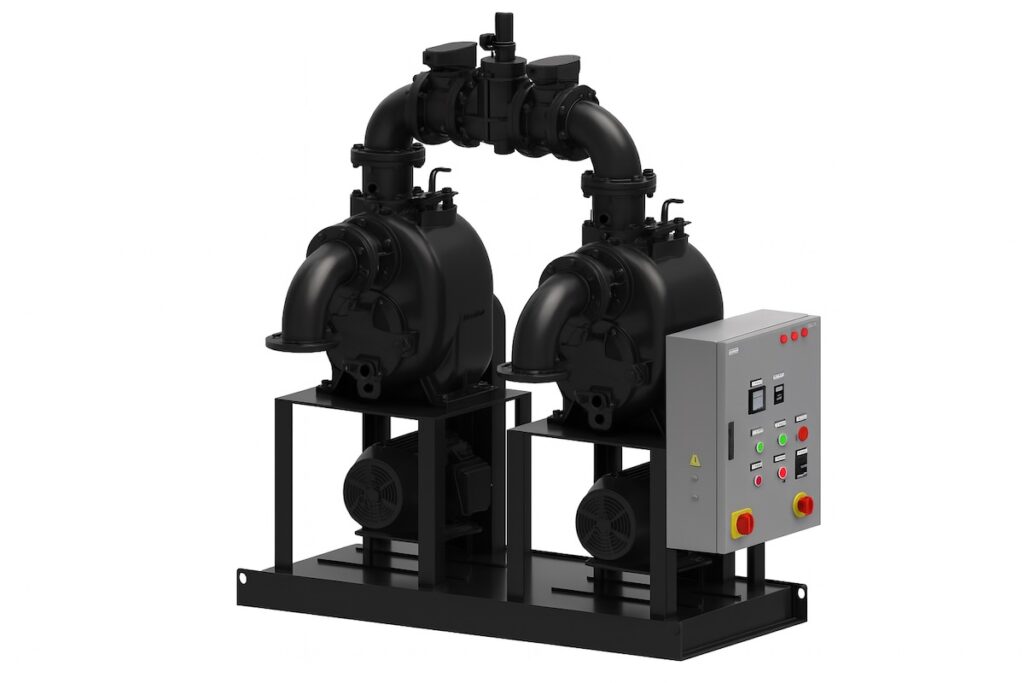
A lift station pump is the heart of many sewage systems, moving wastewater from lower to higher elevations where gravity flow alone isn’t possible. Whether it’s in a city’s sewage lift stations, a septic system lift pump, or a commercial sewage lift station pump, these units keep communities and businesses running smoothly.
But when a sewage lift pump fails, the costs are immediate: downtime, emergency repairs, environmental risks, and sometimes fines for noncompliance. Regular maintenance helps prevent these issues, and so does choosing a pump built to last.
Why Lift Station Pump Maintenance Matters
Ignoring maintenance on a lift station pump can lead to:
- Clogs and blockages that stop flow altogether.
- Motor burnout from overwork.
- Sewage backups that can cause property damage or contamination.
The cost of prevention is far lower than emergency repairs or system replacements. A neglected sewage pump lift can also create environmental hazards and regulatory problems—a risk municipalities and businesses can’t afford.
Preventive Maintenance Checklist
To extend the life of your lift station pumps and avoid costly failures, follow a consistent maintenance schedule:
- Routine inspections: Weekly or monthly checks of pump performance and alarms.
- Cleaning debris: Remove solids and check seals for leaks.
- Monitor alarms and controls: Ensure float switches and control panels are functioning.
- Track flow rates: Any sudden changes could indicate wear or clogs.
- Schedule professional servicing: Annual or semi-annual maintenance by certified technicians.
Following this checklist can keep everything from sewer lift stations to above ground sewage pumps running efficiently.
Warning Signs of a Failing Sewage Pump
Catching issues early can save thousands in repair costs. Look out for:
- Unusual noises or vibrations from the pump motor.
- Slow pumping or inconsistent flow in sewage lift stations.
- Rising energy costs due to reduced efficiency.
- Frequent alarms or emergency call-outs signaling mechanical failure.
If your heavy duty sewage pump or sewage tank and pump system shows these symptoms, it may be time for service or replacement.
How Phantom Pumps Help Prevent Failures
Maintenance is essential, but so is starting with the right equipment. Phantom Pumps designs sewage and effluent pumps built for longevity and performance. Here’s how we reduce the risk of failures:
- Durability: Built for tough environments, from sewer lift station pumps to industrial wastewater.
- Cost Savings: Longer lifespan means fewer replacements and less downtime.
- USA Assembly: All Phantom Pumps are USA assembled sewage pumps, ensuring faster lead times and lower shipping costs compared to overseas competitors.
- Compatibility: Direct replacements for major OEM brands make it easier and more affordable to upgrade aging systems.
Phantom Pumps vs. Competitors
When comparing options, the difference is clear:
- Competitors: Long lead times, imported parts, higher replacement costs.
- Phantom Pumps: Reliable sewage pumps, cost-effective sewage pumps, faster delivery, and assembled in the USA.
The result? Lower operating costs, greater efficiency, and less stress for operators. It’s why many facilities choose Phantom when upgrading or replacing a lift pump station.
Final Thoughts
Regular maintenance is the key to preventing failures, but pairing it with the right equipment maximizes results. By choosing Phantom’s reliable, USA assembled sewage pumps, you get durability, cost savings, and peace of mind.
Talk to Phantom Pumps about your sewage pumping system today and discover why our solutions outperform the competition.